
Craft
The Invisible Kitchen Is a Costume, Not Restraint
Every appliance hidden behind a matching panel is sold as quiet luxury. The invisible kitchen is an expensive disguise — and the best designers reveal more than they hide.
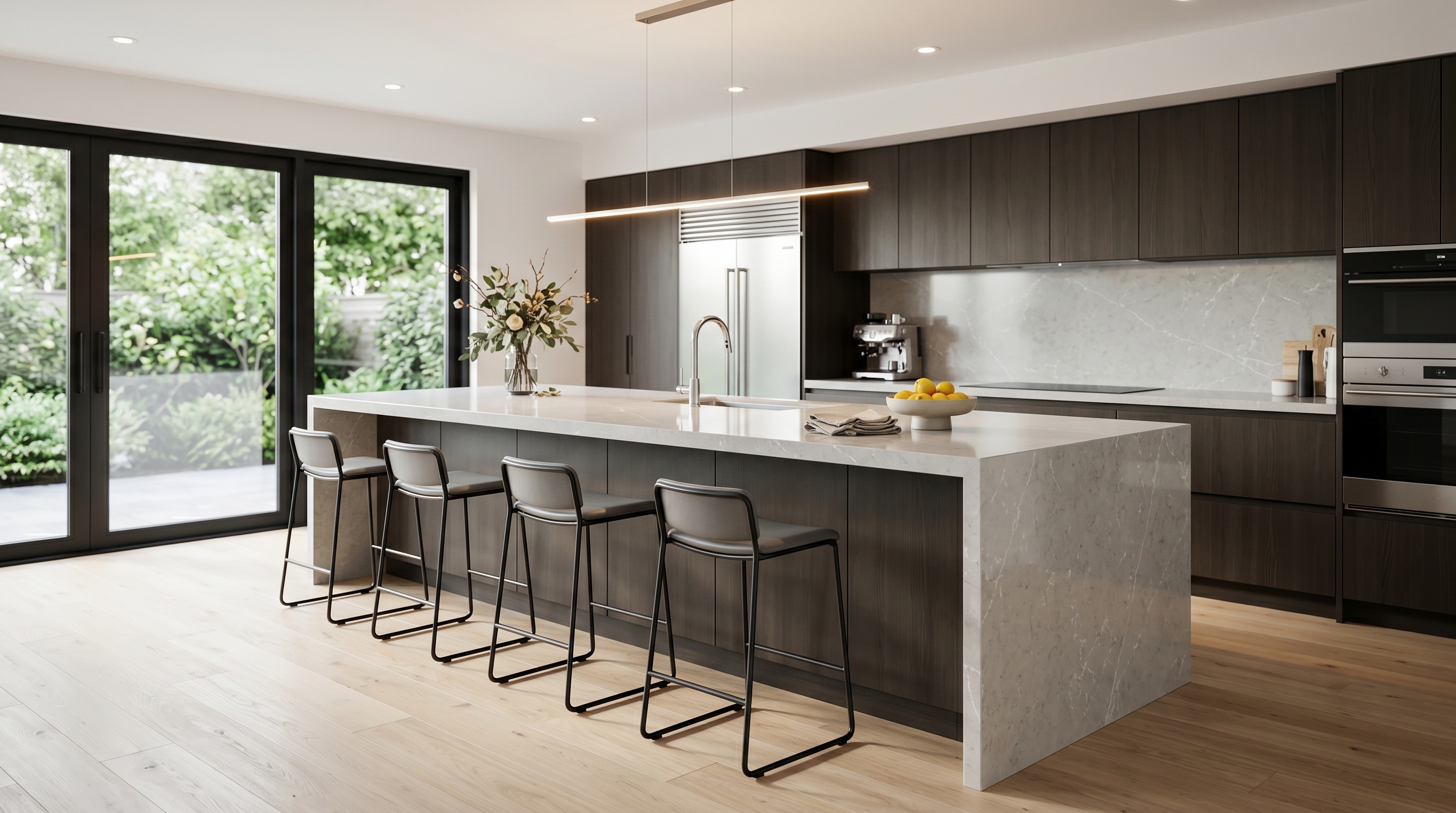
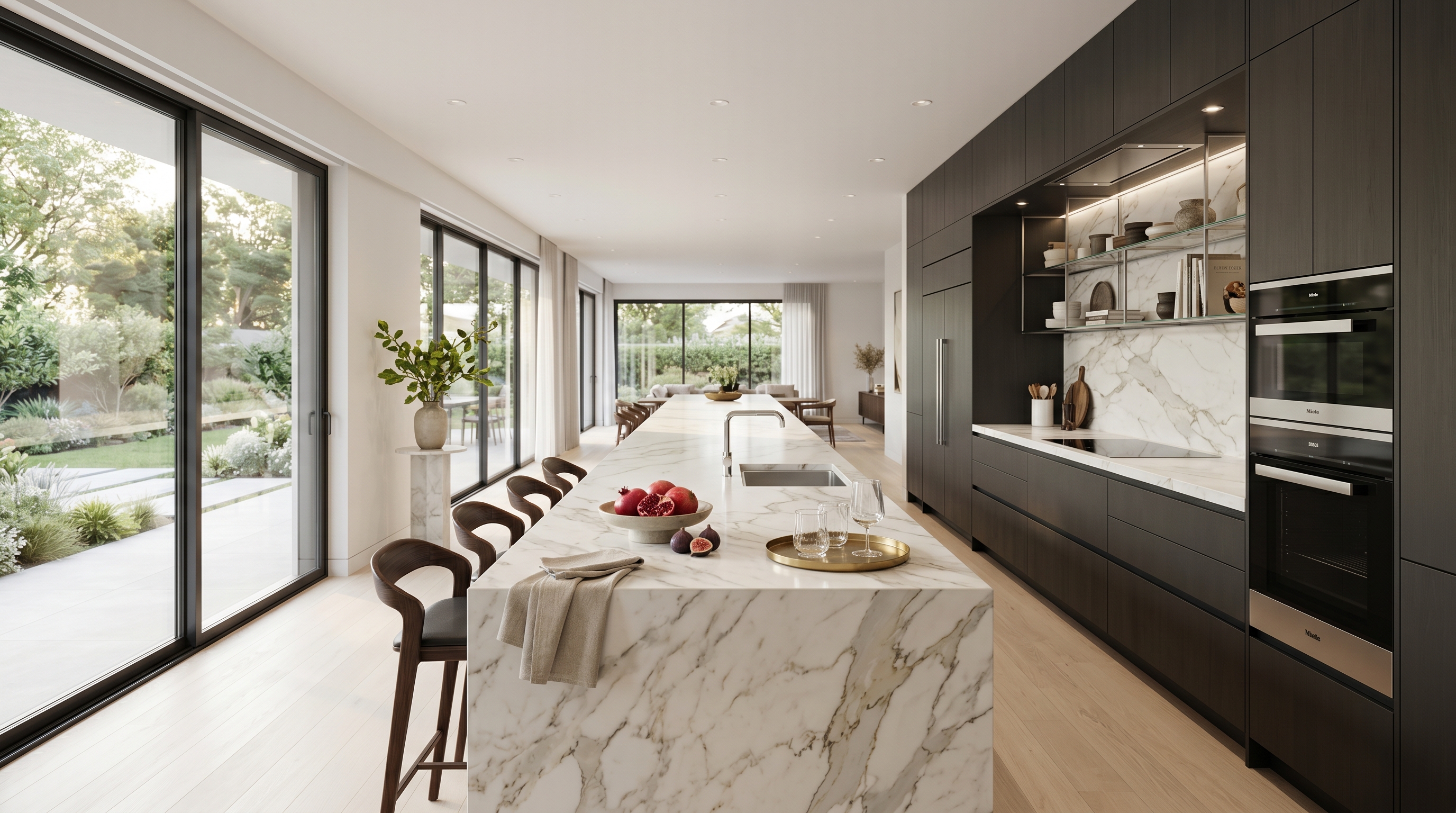
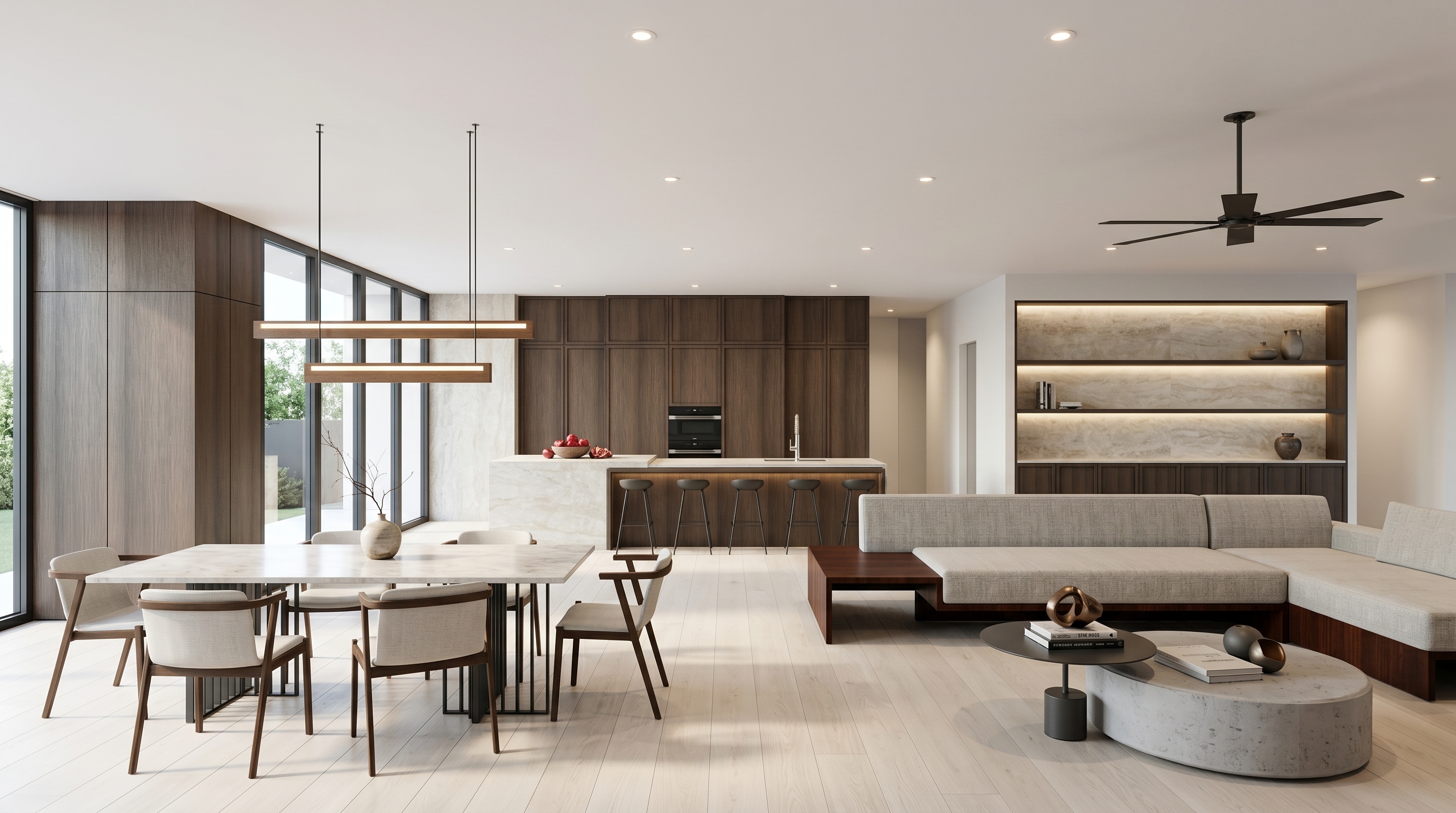
Walk through a new kitchen this year and the highest compliment its designer is chasing is that you can't tell it's a kitchen. The refrigerator is a run of oak cabinetry. The dishwasher is a drawer front. The freezer, the wine column, the coffee machine — all clad in the same panel, all gone. This is the invisible kitchen, the reigning idea in high-end design, and it is sold to you as the purest form of restraint.
It isn't restraint. It's a costume — and an unusually expensive one.
The invisible kitchen borrows the language of quiet luxury: nothing shouts, everything blends, the room reads as calm. But there is a difference between a kitchen that is quiet and a kitchen that is hiding. Paying thousands to disguise a superb machine as a cupboard is not the absence of a statement. It is a very loud one, whispered.
The invisible kitchen has a price tag it doesn't advertise
Panel-ready appliances — the ones built to accept a cabinet front — run roughly 20 to 40 percent more than their finished-metal equivalents, and often a good deal more. A built-in panel-ready refrigerator generally starts around $4,000 to $5,000, with midrange models landing between $8,000 and $12,000 and premium units climbing past $13,000. A comparable high-end stainless refrigerator can start near $7,000; a strong model from a mainstream premium line, closer to $3,000.
Then come the costs the showroom doesn't quote. Every concealed appliance needs a custom cabinet panel milled to match the run, the hinging hardware to carry it, and the extra labor to hang a heavy door on a moving machine. You pay twice: once for the appliance, and again to make the appliance pretend it isn't there.
The one appliance nobody hides tells you everything
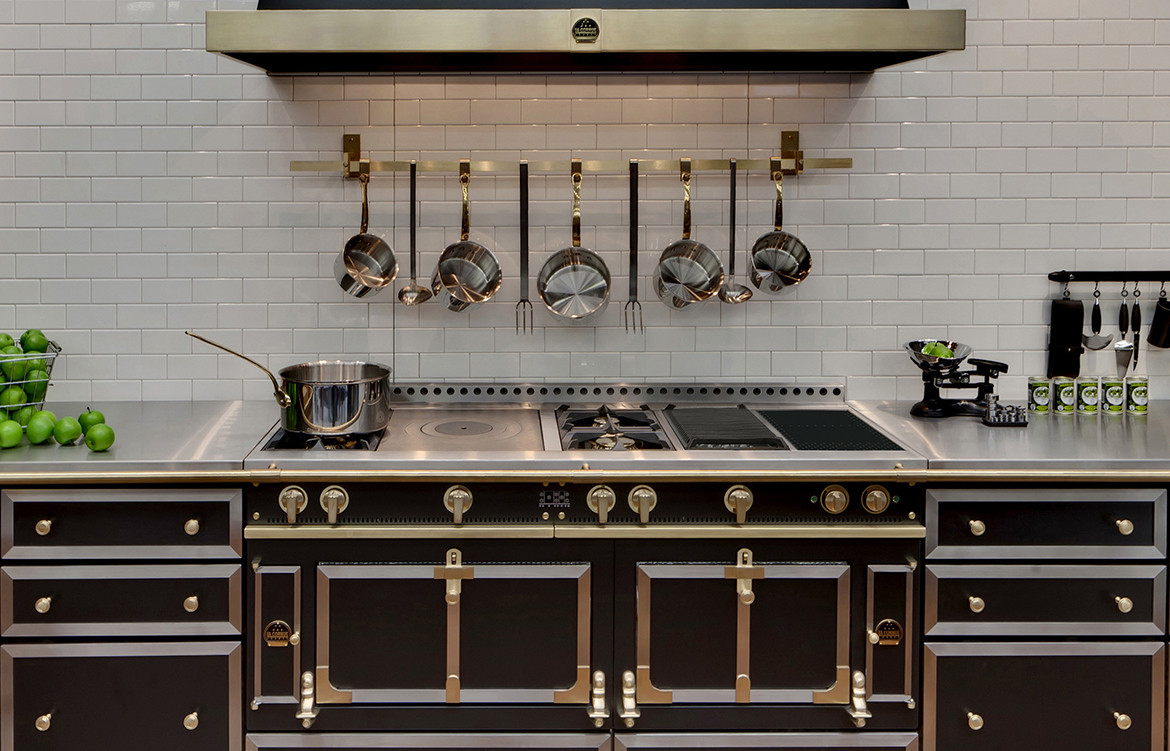
Here is the tell. In the same 2026 kitchens where the refrigerator and dishwasher vanish, the range does the opposite. Designers are treating the range and its hood as sculpture — curved profiles, mixed metals, deep enamel color — the deliberate focal point of the room.
If invisibility were truly the ideal, the range would disappear too. It doesn't, because total concealment was never the real goal. The real goal is curation: deciding what earns a place in the eye and quietly handling the rest. The invisible kitchen, taken literally, gets this backward. It hides everything and calls the erasure taste.
A kitchen with nothing to look at isn't serene. It's mute. The warmth quiet luxury is supposed to signal — material, patina, the sense that a real person cooks here — is the first thing a wall of matching panels strips out.
Decide what to reveal, then spend there
The move is neither panel-everything nor panel-nothing. It's to choose. Conceal the appliances that are genuine visual noise — the dishwasher, the bulk of the refrigerator column — where an unbroken run of cabinetry actually calms the room. Then let one or two honest things show: a single statement appliance, a stone with real movement, a wood whose grain you will still notice in ten years.
And redirect the disguise budget. The premium you would spend making a refrigerator look like a cupboard buys a great deal of something permanent — better cabinet boxes, a superior worktop, hardware that still feels right in 2040. Those age well. A trend named after its own vanishing act rarely does. It is worth seeing a real German kitchen in person before you decide what to hide.
Quiet luxury was never about erasing the kitchen. It was about earning the right to leave a few things beautifully, confidently visible. The best rooms don't disappear. They decide.
Book a private showroom tour
If this changed how you're thinking about your own kitchen, the next step isn't another article. Book a private showroom tour and spend an hour, one on one, with the BauTeam design team — at any of our showrooms across eight U.S. cities — working out exactly what your kitchen should show and what it should quietly put away.